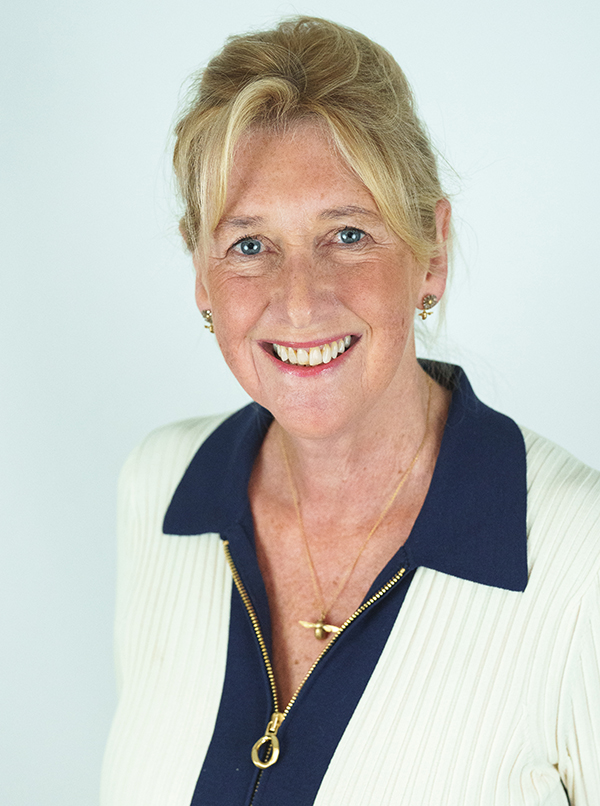
Julie Etchingham
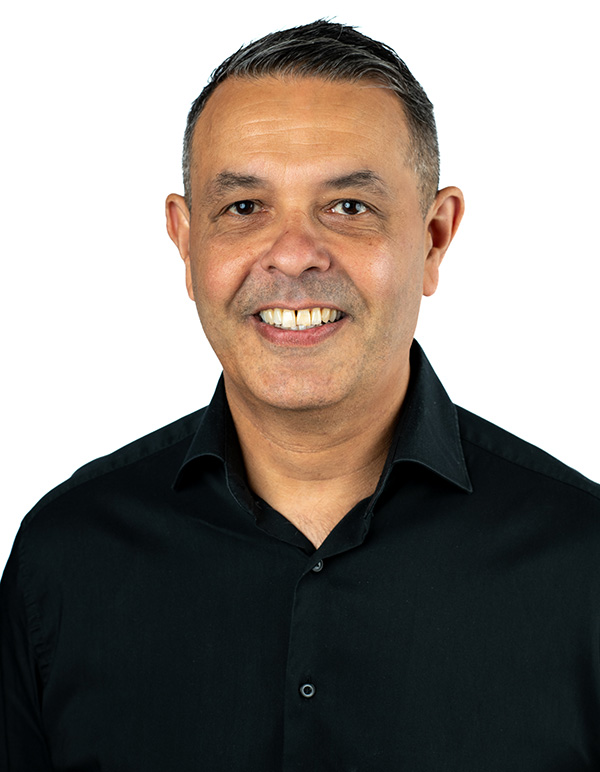
Julie Etchingham is a newsreader, presenter and broadcast journalist with over three decades of experience working across the BBC, Sky News and ITV. She has chaired general election leaders’ debates, presented and reported on US Presidential elections, and co-presented coverage of major royal weddings, Jubilees and funerals.
Julie has also led live coverage of developing news stories including the 7/7 bombings in London and the 2004 Boxing Day Tsunami. Julie has hosted awards ceremonies and moderated international conferences, including one at the Vatican with Pope Francis.

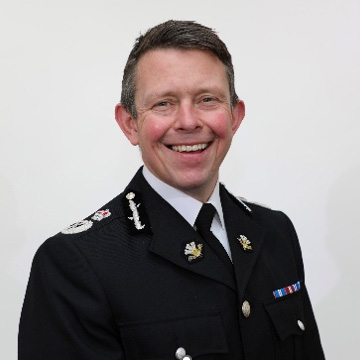
Chief Constable Gavin Stephens QPM
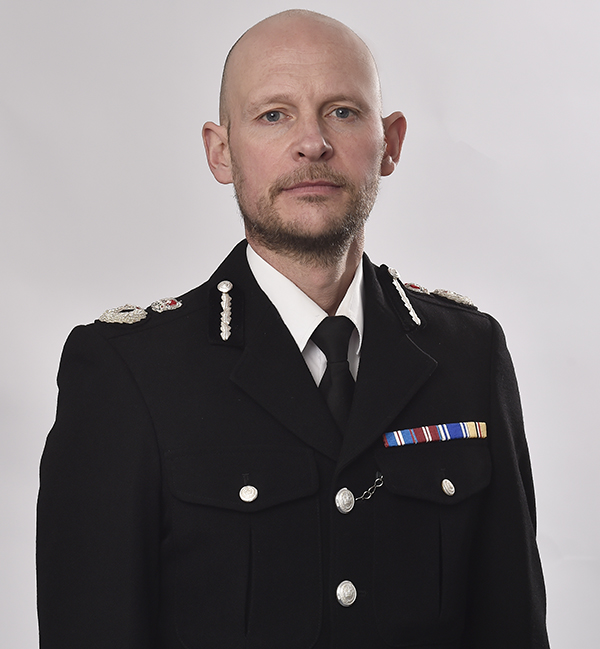
Gavin was elected to the Chair of the National Police Chiefs’ Council (NPCC) in 2022 and took up the role in April 2023, having served in Surrey Police from Constable to Chief Constable.
As Chair of NPCC Gavin is responsible for ensuring strong co-ordination and collaboration across UK Policing, including British Overseas Territories and Crown Dependencies. Policing practices across the UK are held together by strong principles and values, which are rooted in policing by consent. Working together with the Association of Police and Crime Commissioners, the College of Policing, His Majesty’s Inspectorate, the National Crime Agency, and many other public and voluntary bodies, Gavin ensures NPCC contributes to a shared vision of achieving the most trusted and engaged policing service in the world, by making communities safer and stronger.
Gavin is the Senior Responsible Officer for the national Police Race Action Plan. He is a Director of BlueLight Commercial and Police Digital Services. He chairs the Boards of the Criminal Records Office, and Police Crime Prevention Initiatives. He chairs the Board of Trustees for Police Arboretum Memorial Trust and is a patron of the Police Mutual Assurance Society.
In his former role as Chief Constable of Surrey, Gavin was chair of the NPCC Finance Coordination Committee and NPCC Communications Advisory Group. Prior to that he was NPCC lead for Neighbourhood Policing and chaired the committee to produce the College of Policing Guidelines on Modernising Neighbourhood Policing.
Born and bred in Hartlepool on the North East coast, Gavin studied engineering and management studies at the University of Cambridge and worked for GEC Marconi Research as a sponsored student. Upon graduation he joined Cambridgeshire Constabulary, then transferred to Surrey Police in 1996. He worked across a wide variety of roles including Head of Serious & Organised Crime, Professional Standards, and often returned to his passion of Neighbourhood Policing.
Session 1: Chairs introduction

APCC Chair Emily Spurrell
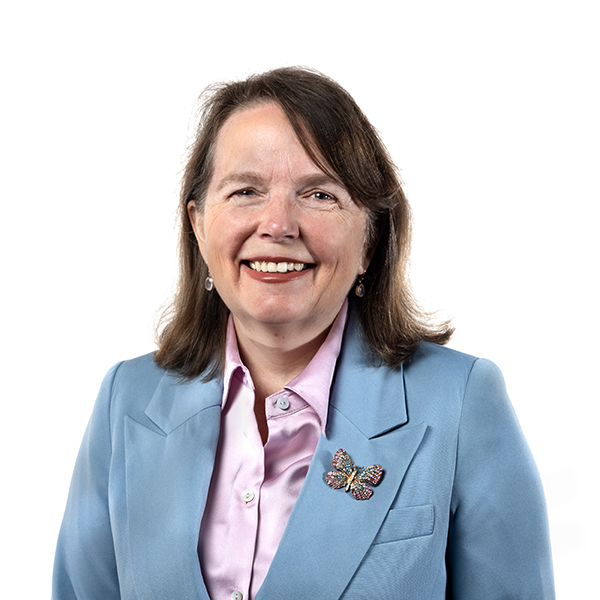
Emily Spurrell was elected as APCC Chair in September 2024. The APCC represents the 43 police and crime commissioners, police fire and crime commissioners, and deputy mayors for policing across England and Wales, helping them to shape policy and the criminal justice landscape at a national level.
Emily is in her second term as Police and Crime Commissioner (PCC) for Merseyside. She was first elected in May 2021 and re-elected in May 2024 with 61.7% of the public vote.
As PCC, Emily has prioritised preventing crime, tackling Violence against Women and Girls (VAWG), improving police scrutiny and transparency, and supporting victims of crime. These are encapsulated in Emily’s Police and Crime Plan for the region, which focuses on three key pillars:
- Fighting Crime and ASB
- Supporting Victims
- Preventing Harm.
Prior to being elected, Emily was Deputy Police and Crime Commissioner, and she served as a Liverpool City Councillor leading on Community Safety.
Emily lives in Sefton, with her husband Graeme, their son and dog
Session 1: Chairs introduction

Ben Page
A frequent writer and speaker on politics, trends, leadership and performance management, Ben has directed thousands of surveys examining consumer trends and citizen behaviour.
He was Chief Executive of Ipsos MORI in the UK and Ireland from 2009-2021, and the global CEO of Ipsos from 2021-2025, with 20,000 people in 90 countries He joined MORI in 1987 after studying at Oxford University. From 1987-1992 Ben worked on corporate reputation and consumer research, working for companies like Shell, BAE Systems, Sky TV and IBM. From 1992 he worked closely with both Conservative and Labour ministers and senior policy makers across government, leading on work for Downing Street, the Cabinet Office, the Home Office and the Department of Health, as well as a wide range of local authorities and NHS Trusts.
Ben is Visiting Professor at Kings College London and a fellow of the Academy of Social Sciences. He is a Fellow of the Market Research Society.
Session 1: Serving the public

Rebbecca Skippage
Rebecca Skippage is a leading expert in disinformation, information integrity and narrative manipulation. A BBC journalist for more than 25 years, she founded the BBC's Disinformation Team and was the BBC's Global Disinformation Editor 2021–25. She has advised the UK Government, NATO and the EU on emerging information threats, and now works with organisations to strengthen resilience and respond effectively to information attacks. Recent work includes moderating NATO's 2026 StratCom Dialogue, advising the British Army, and collaborating with Google DeepMind on the launch of its AI verification tool, SynthID. She spoke at this year's Police Foundation conference on the challenge of lies and provocation for policing. Rebecca was also a Reuters Institute Fellow at the University of Oxford, researching how trusted organisations can better reach audiences vulnerable to misinformation.
Session 1: Serving the public

Abimbola Johnson
Abimbola Johnson is a barrister at Doughty Street Chambers specialising in inquests and public inquiries, actions against the police and public authorities, and professional discipline and regulation. She is recognised as a leading barrister in the Legal 500. From 2021 to 2026, she chaired the Independent Scrutiny and Oversight Board for the National Police Race Action Plan, leading independent scrutiny of national policing’s work on race across England and Wales. She continues to work with the Home Office and senior police leadership on matters of race, policing and accountability.
Session 1: Serving the public
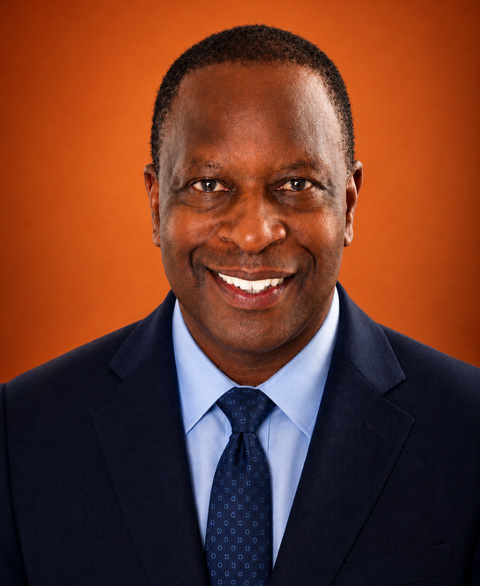
Michael Fuller KPM
Michael Fuller is a pioneering law enforcement leader, distinguished public servant and inspirational figure whose trailblazing career, commitment to justice and remarkable achievements have made a profound impact on policing and prosecution services throughout the United Kingdom.
Michael's exceptional 34-year police career was defined by innovation, leadership and breaking barriers. He served in numerous uniformed and CID positions throughout London, including several postings as a senior detective at New Scotland Yard, where his strategic thinking and commitment to community safety consistently produced exceptional crime reduction results. Throughout his career, Michael demonstrated remarkable creativity and effectiveness in addressing complex crime issues. As a detective chief inspector at Shepherd's Bush and Hammersmith, he developed an innovative burglary control programme that successfully reduced property crime, a forerunner to the London-wide Operation Bumblebee. At Paddington, his pioneering covert techniques under Operation Eagle Eye achieved significant reductions in street robbery.
Following the Stephen Lawrence Inquiry in 1998, Michael helped establish the Racial and Violent Crime Task Force and developed the Metropolitan Police Action Plan in response to the Macpherson Inquiry's criticisms. He also set up and ran Operation Trident over four years with community members. This operation successfully reduced gun crime within London’s black communities. His leadership in this sensitive area demonstrated his sincere commitment to addressing systemic issues in policing diverse communities.
Michael’s continued advancement led to his appointment as Chief Constable of Kent Police in January 2004, making history as the first black and to date, the only ethnic minority chief constable (Chief of Police) in the United Kingdom. He improved the performance of Kent Police and under his leadership. The force was rated by the Police Inspectorate as one of five most improved police forces in England and Wales. During his tenure as Chief Constable, Michael also studied and qualified as a barrister, currently non-registered. He was called to the Bar at Lincoln's Inn in July 2007.
At the end of his police career in 2010, Michael’s contributions to policing were recognised by the award of the Queen's Police Medal for distinguished police service. In 2010, Michael was appointed as Her Majesty's Chief Inspector of the Crown Prosecution Service Inspectorate, where he was responsible for scrutinising the work of both the Crown Prosecution Service and the Serious Fraud Office, reporting directly to the Attorney General and Parliament until his retirement in 2015.
He is currently the Owner of his own Criminal Justice Consultancy.
Session 1: Serving the public

Deputy Mayor Kaya Comer-Schwartz
Kaya Comer-Schwartz was appointed as London’s Deputy Mayor for Policing and Crime by Mayor Sadiq Khan in October 2024. Until then, she was the elected leader of Islington Council, where she had been Executive Member for Community Safety and Children, and a Councillor since 2013.
She was the national Local Government Association (LGA) Labour lead for Community Wellbeing, and Executive member for Health, Wellbeing and Adult Care at London Councils – representing hundreds of councils from across the country.
As Leader of Islington Council, Kaya was accountable for an organisation of 4,800 staff, serving 239,000 residents, with an annual budget of £1.2bn.
During her time in Islington, she oversaw reform and improvement of the Youth Justice Service – now one of the best in the country, graded ‘outstanding’ by His Majesty’s Inspectorate of Probation.
She helped achieve an ‘Outstanding’ Ofsted rating for the Council’s children’s social services.
Kaya also oversaw investment and improvement of local services for victims and survivors of violence against women and girls (VAWG). This led to a 56% increase in the number of survivors being supported and referrals being made 15 times more quickly.
Her previous roles include working for national and international charities. Kaya is a born Londoner and is now raising her own family in the city she loves. She believes deeply in London’s vitality and diversity and the wonderful opportunities it has to offer.
Session 1: Serving the public
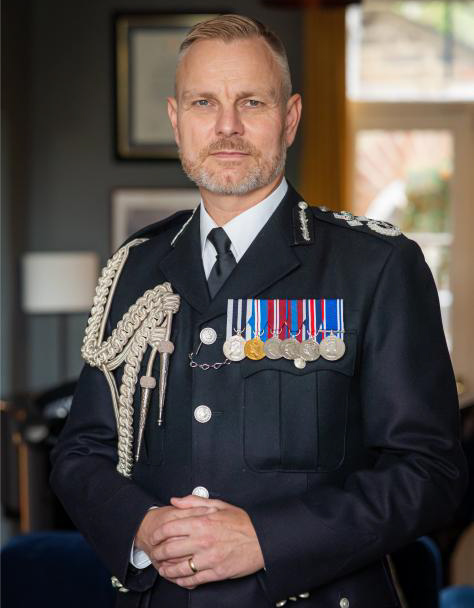
Deputy Commissioner Matt Jukes QPM
Deputy Commissioner Matt Jukes joined policing in 1995 as a Constable with South Yorkshire Police.
From patrolling Sheffield’s East End, he worked as a detective, and in a variety of other roles, working his way up to the position of Chief Superintendent, Borough Commander.
He joined South Wales Police in 2010 as an Assistant Chief Constable, leading on Specialist Crime, and served as Deputy Chief Constable before being appointed Chief Constable in January 2018. He was awarded the Queen’s Policing Medal in that year’s Honours.
He held the post until November 2020 when he joined the Met as Assistant Commissioner, leading and overseeing transformation programmes, moving to the post of Head of UK Counter Terrorism Policing (CTP) and the Met’s Assistant Commissioner for Specialist Operations (ACSO) in July 2021. This continued a long-standing focus on intelligence and security that began with a first role in Counter Terrorism in 2001 and saw him perform the role of Counter Terrorism Commander in a number of significant operations.
As ACSO and Head of CTP, his responsibilities included countering threats from domestic and international terrorism and the protection of the Royal Family, Ministers and Parliament. He oversaw the CTP investigation and response to the murder of Sir David Amess MP and contributed to security at the funeral of HM The Queen and HM The King’s Coronation. Most recently, he led responses to the recent conflicts in Ukraine and the Middle East.
As the national lead on security policing, he oversaw a four-fold increase in operations emanating from espionage, foreign interference and war crimes over almost four years.
His 30-year career has been split between periods in specialist areas of policing and others at the heart of local policing, delivering for communities and supporting frontline colleagues, including a focus on their wellbeing. He is a former Chair, and now Vice Chair, of Police Sport UK, and a Patron of the Police Remembrance Trust.
He became Deputy Commissioner in May 2025.
Session 1: Serving the public
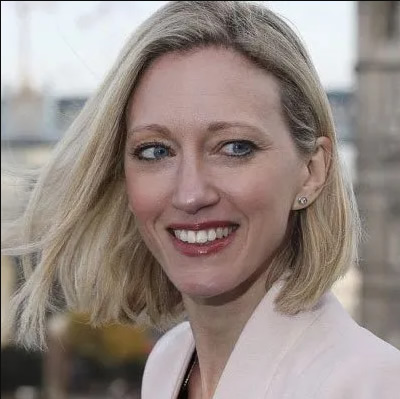
Claire Waxman OBE
Claire Waxman OBE is an independent voice for victims and witnesses, championing their interests and holding the government and criminal justice agencies to account. As Victims’ Commissioner, Claire’s duties include reviewing the Victims’ Code and monitoring how agencies comply with their obligations under it.
Claire regularly engages with stakeholders across the criminal justice landscape to promote good practice and scrutinise victim policy and the services victims receive. Claire brings extensive experience to the post, having previously served as London’s first Independent Victims’ Commissioner, a role she held from 2017. She established the office as a driving force in improving services, ensuring survivors’ voices were heard at every level of the justice system.
Her work in the capital drove significant national change; in recognition of these achievements, Claire was appointed OBE in the 2022 New Year’s Honours for services to victims of crime.
Session 2: Balancing Expectations: What Should Good Policing Deliver?

Tracey Burley
Tracey Burley joined St Giles as CEO in May 2023.
Tracey has over 15 years of charity, not-for-profit and public sector leadership experience. Prior to joining St Giles Tracey was interim CEO at Redthread, she also has experience from her time as non-executive director of Careers England and Chair of the Finance Committee of the Career Development Institute.
Session 2: Balancing Expectations: What Should Good Policing Deliver?

Sayce Holmes-Lewis
Sayce Holmes-Lewis is the CEO and founder of Mentivity, an award-winning mentoring organisation empowering young people through education, sport, and social justice.
Since 2023, he has secured over £1.25 million in funding, partnering with global brands such as Spotify, Goldman Sachs, Avanade, Hellman & Friedman, Sky, and Channel 4, as well as Southwark Council, to drive equity and community-led change.
He also founded Mentivity House - a dedicated safe space for youth development, creative media, tech innovation, and podcast production. Sayce is the youngest member of the London Policing Board and serves as an advisor to Mayor Sadiq Khan on policing and stop and search.
Named one of HSBC UK’s “Top 25 Black Entrepreneurs to Watch”, he is a powerful voice in systemic reform, youth empowerment, and inclusive leadership
Session 2: Balancing Expectations: What Should Good Policing Deliver?
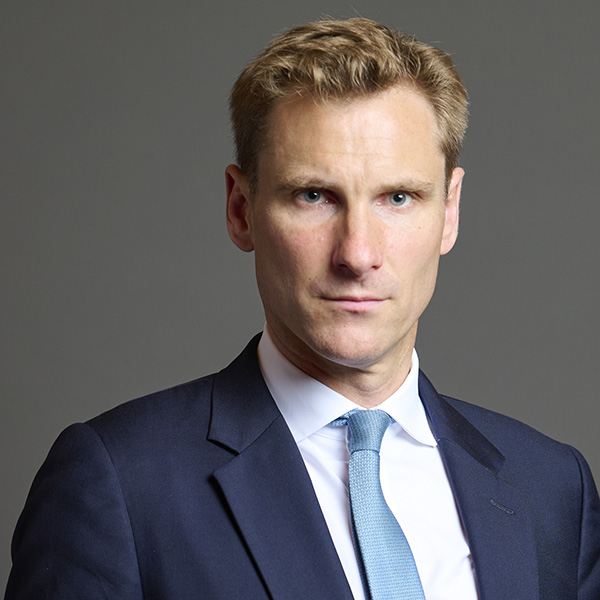
Rt Hon Chris Philp MP
Chris Philp was Minister of State in the Home Office between 26 October 2022 and 5 July 2024.
He was Paymaster General and Minister for the Cabinet Office between 14 October 2022 and 25 October 2022.
He was previously appointed Chief Secretary to the Treasury from 6 September 2022 to 14 October 2022.
He was previously Parliamentary Under Secretary of State at the Department for Digital, Culture, Media and Sport between 17 September 2021 and 7 July 2022.
He was Parliamentary Under Secretary of State at the Home Office and Ministry of Justice from 13 February 2020 to 16 September 2021.
Before that, he was Parliamentary Under Secretary of State at the Ministry of Justice from 10 September 2019 to 18 December 2019 and Minister for London at the Ministry of Housing, Communities and Local Government from 18 December 2019 to 13 February 2020.
Session: Keynote Address
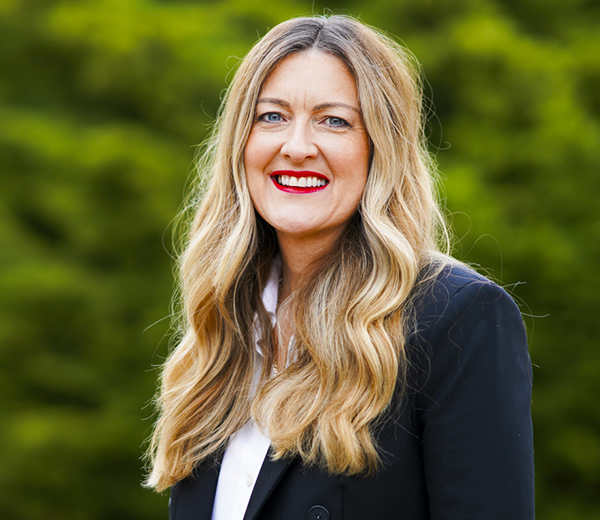
Jo Noakes
Jo Noakes is the interim Chief Executive Officer of the College of Policing and has almost two decades of experience in police leadership and workforce reform. She has directed the Strategic Command Course, the gateway to chief officer rank in every force, where her 2017 review of selection processes led to increasingly diverse cohorts of chief officer candidates.
Jo led the creation of the National Centre for Police Leadership which is the home of leadership across the service delivering high-quality training for existing and future leaders.
She was the College's lead on the Police Uplift Programme and oversaw a redesign of the infrastructure to standardise recruitment, update training models, and ensure the 20,000 new recruits maintained strict professional standards. Jo will lead the College of Policing until it forms part of the new National Police Service next year.
Session 3: Managing competing priorities: In conversation with system leaders
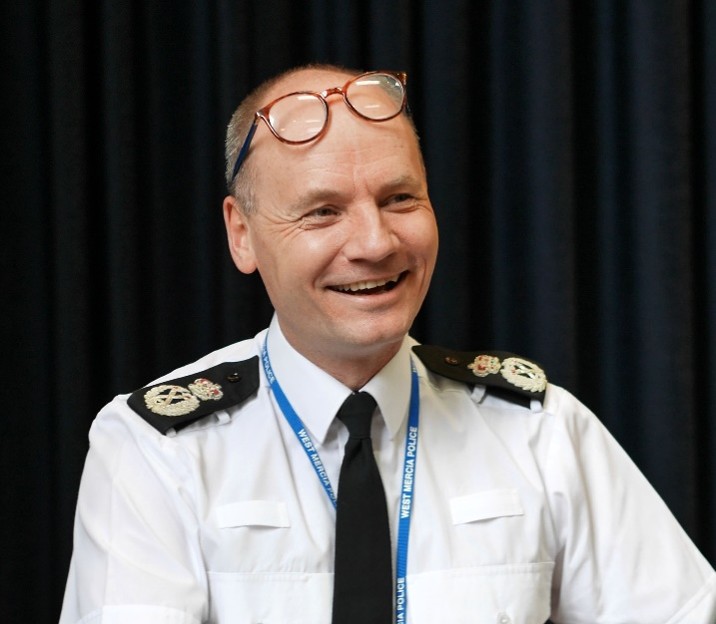
Alex Murray OBE, Director of PoliceAI
Alex is a senior policing leader with extensive experience as a specialist crimes, firearms and counter terrorism commander. He was temporary ACC Crime in West Midlands and temporary Chief Constable of West Mercia Police. He recently led the Serious Organised Crime Threats portfolio in the National Crime Agency (NCA).
Alex is the Director of PoliceAI, focusing on supporting the responsible adoption of artificial intelligence across UK policing.
Breakout 1: Police Leadership in a changing world/Future-ready police leadership
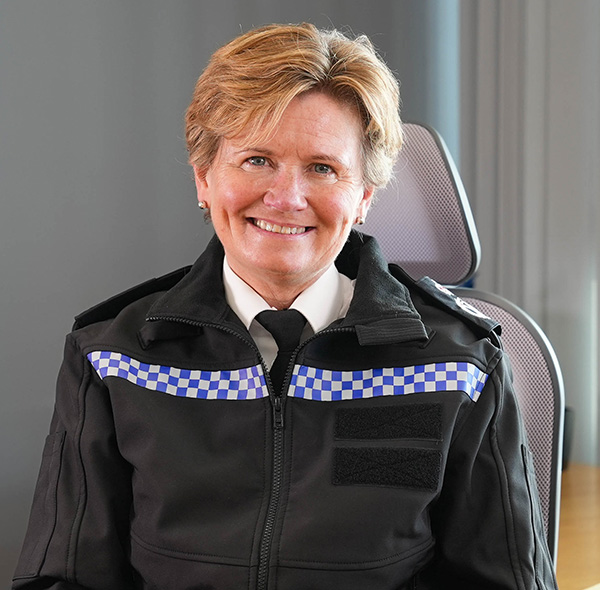
T/Chief Constable Maggie Blyth, KPM
Maggie has worked in the criminal justice service for over 36 years, with specialist expertise in public protection. Starting her career in the Probation Service in the early 1990s, after initially training as a teacher, she went on to set up the first youth offending service (YOT) in Oxfordshire in 1998 becoming senior adviser to the newly formed Youth Justice Board for England and Wales between 2000 and 2005. Subsequently Maggie continued to work in youth justice/child protection and then joined Hampshire Constabulary as a direct entry Superintendent in 2016, as Portsmouth City Commander.
Maggie was appointed as ACC Local Policing in 2019, and in 2021 became the first national policing coordinator for VAWG, a role and portfolio she held for four years culminating in the establishment of the first National Centre for VAWG and Public Protection.
Maggie was DCC of the College of Policing 2023/4 before promotion to T/Chief Constable at Gloucestershire Constabulary, where she has remained for the last two years. Maggie was appointed as a Commissioner on the Police Leadership Commission in November 2025 and is currently chairing the Implementation Group of the Police Leadership Commission as part of interim arrangements for policing. Maggie has also chaired the Violence and Public Protection Board of the NPCC Crime Coordinating Committee for 3 years.
Breakout 1: Police Leadership in a changing world/Future-ready police leadership
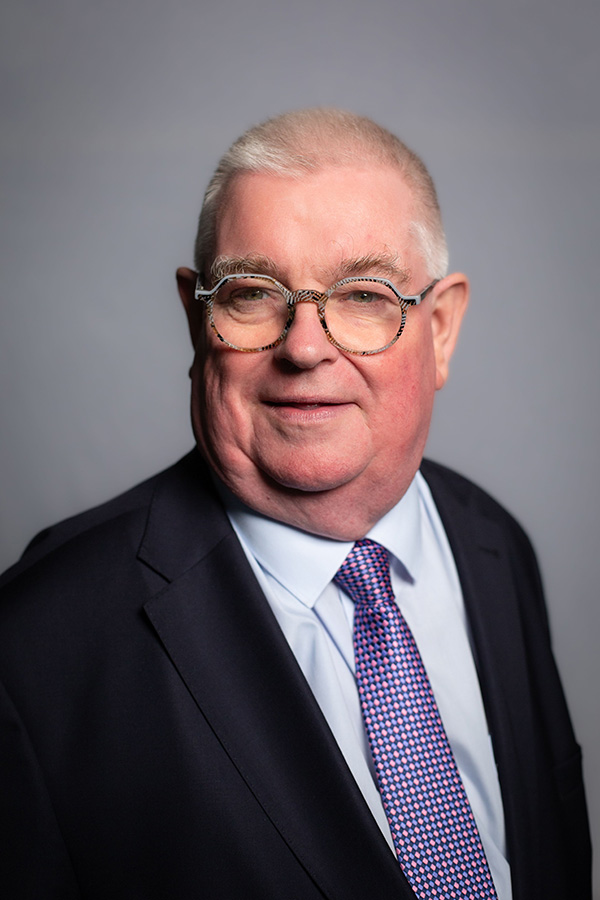
PCC John Tizard
Elected on 2 May 2024, Police and Crime Commissioner John Tizard has vast experience of representing communities in Bedfordshire where he has lived for almost 50 years.
As well as holding leadership roles in numerous businesses, charities, and public sector organisations, John served as a councillor for 18 years.
For most of this time, he was leader of the Labour group of councillors on the former Bedfordshire County Council. He was also a joint leader of the Council for some of this period.
John is driven by his commitment to social justice and his belief that governance and behaviour are essential for any organisation to fulfil its mission and maximise its impact and has held local government posts nationally and in Europe.
John’s career includes senior leadership roles in the business sector where he held a senior strategic executive role in a FTSE 100 company for many years.
He has had non-executive director experience in several start up and social businesses. He has had leadership experience in charities both as a senior executive at what is now Scope and as a trustee and chair of several charities.
He is currently a trustee of Bedfordshire based Making Me which enables young people to thrive by equipping them to navigate their mental and emotional journey into adulthood and was previously Chair of Action Space, a London based Arts Council sponsored arts organisation which enables and promotes the right of artists with learning difficulties.
John established and led research centres at the University of Birmingham and London South Bank University both of which specialised in public sector collaboration and partnerships between the public, business, and voluntary and community sectors. John has advised organisations and leaders in the business, charity, social and public sectors in the UK and internationally on subjects such as leadership, governance, public service reform, procurement, and in sourcing.
He has been an evaluator in the European Public Service Awards programme since 2015 and has written for a variety of publications and has, in the past few years, authored reports for the Fabian Society, the TUC and Unison on topics including reforming public sector audit, outsourcing, and in sourcing of public services, and strengthening worker's rights.
Some of his key areas of interest include community engagement, tackling anti-social behaviour, hate crime, cyber-crime, knife crime, reducing crime against women and children, and investing in prevention methods to tackle the causes of crime.
Breakout 1: Police Leadership in a changing world/Future-ready police leadership

Dr Katie Best
Dr Katie Best is an author, executive coach and leadership consultant. She is a Visiting Fellow at the London School of Economics, where she heads the MBA Essentials executive education programme, and a Visiting Senior Research Fellow at King’s College London.
Over 15 years she has coached and developed more than 350 leaders across the public and private sectors, including the NHS, government, law and financial services.
Her book, The Ten Toughest Leadership Problems and How to SOLVE Them (Macmillan Business), is a practical self-coaching handbook for leaders at every level, and her writing has appeared in Harvard Business Review, Forbes and Fast Company.
Breakout 1: Police Leadership in a changing world/Future-ready police leadership

AC Matt Twist KPM
Matt joined the Met in 1996 as a Police Constable assigned to Kensington and Chelsea. He has spent the vast majority of his service in operational roles including Emergency response, Special Branch, Aviation Security and the Specialist Firearms Command.
Matt served in Surrey Police for three years as a Chief Superintendent between 2013 and 2016 in roles including Head of Investigations, Divisional Commander and Temporary Assistant Chief Constable. Matt returned to the Met in May 2016 as Commander for Firearms and Taskforce and led the 2016 armed uplift and the first deployment of Op Temperer (military support to police) in 2017. As NPCC lead for Self Defence, Arrest and Restraint he has delivered nationally both use of force recording, and the standardisation and improvement of all police personal safety training.
Matt was promoted to Deputy Assistant Commissioner (DAC) and has held responsibility for Transformation as SRO for programmes including Command & Control, Smarter Working and Central Estates (a 6‐year programme moving 7000 people, redeveloping 27 sites and creating a CT Operations Centre in West London). He led a team implementing the recommendations of Sir Richard Henriques’ Independent Review of the Metropolitan Police Service handling of non‐recent sexual offence investigations alleged against persons of public prominence.
As DAC Matt was the MPS Gold Commander for the overall response to the Covid pandemic, working as a core member of London’s outbreak control group as well as national police groups working through nearly 200 changes in laws and regulations, and the impact on the public of London and a workforce of nearly forty thousand. As DAC Specialist Operations and Deputy to Head of CT Policing, he was the national lead for CT Protect and Prepare. Within London he was responsible for Royalty and Specialist Protection, Parliamentary and Diplomatic Protection, Aviation Security and wider CT security operations. Matt led CT Policing’s response to the Manchester Arena Inquiry, giving evidence at the inquiry and led for CT in the implementation of the Protect Duty.
In October 2022 Matt was promoted to Assistant Commissioner Met Operations and Performance, leading transformation within the Mets performance functions. He oversaw the response to major public order and protest issues from 2022 and the end of 2024 as well as major events including The Coronation and Notting Hill Carnival. He was responsible for the Mets firearms operations and resilience, working closely with Government and national bodies to deliver the Police Accountability Review,
In November 2025 Matt moved to lead Frontline Policing, with a brief to improve local crime performance. His business group is made up of over 20,000 officers and staff responsible for local policing, public protection and Specialist Crime within London. In addition, Matt has corporate responsibility for the Command & Control change programme, and Operation Northleigh ‐ the police investigation into the Grenfell Tower disaster. Matt has recently been elected as the Chair of the NPCC Performance Management Coordinating Committee and was awarded the Kings Police Medal in the 2025 New Years Honours list.
Breakout 2: The performance debate: [How] Can police performance regimes increase public trust and confidence?

Jenny Sims
Jenny Sims became a Merseyside police officer in 1993 progressing to the rank of T/Deputy Chief Constable in 2025 and retired from policing in September 2025.
She has been an Assistant Chief Constable (ACC) across three police forces:
- Staffordshire Police between 2018 and 2019 having responsibility for neighbourhoods, partnerships and contact and response;
- Cheshire Constabulary as ACC in 2020 and 2021 where as well as being the strategic police leader (Gold) responsible for the force’s response to Covid, she oversaw the Local Policing and Operations Portfolio – including local policing and partnerships, local investigations, uniformed operations, roads policing and the force control centre;
- Merseyside Police as ACC People Services/Chief People Officer 2022 to 2025.
Jenny is a qualified senior HR executive and has undertaken two national secondments within her service including reviewing, developing and delivering new national senior leadership programmes, delivering on critical incident command and taking part in a national review of Police Leadership.
She was the National Police Chief’s Council (NPCC) lead for vehicle crime for five years securing a change in legislation working with a number of Policing Ministers and Home Office officials. She also set up the public/privately funded National Vehicle Crime Reduction Partnership and led the National Vehicle Crime Intelligence Service (NaVCIS).
Jenny was an experienced Strategic Firearms Commander and Gold Public Order Commander for a wide range of significant events that attracted local, national and international exposure, personally briefing the media, ministers and the Prime Minister on the response to major/critical incidents.
Jenny started working in the Home Office as Deputy Director Police Performance Improvement Unit in January 2026. The PPIU’s creation, as set out in the White Paper, reflects a shared commitment across the policing system to raise standards, improve performance and strengthen public confidence.
Breakout 2: The performance debate: [How] Can police performance regimes increase public trust and confidence?
Sir Andy Marsh QPM
Sir Andy Marsh QPM is one of the United Kingdom’s most distinguished policing leaders, with a career spanning almost four decades. Born in Liverpool, he joined Avon and Somerset Police in 1987 and progressed through operational and detective roles before becoming Assistant Chief Constable in both Wiltshire and Avon and Somerset. He later served as Chief Constable of Hampshire Constabulary and subsequently Avon and Somerset Police between 2016 and 2021.
Since September 2021, Sir Andy has served as Chief Executive Officer of the College of Policing, leading the professional body for policing in England and Wales and driving improvements in leadership, professional standards and evidence-based policing.
Recognised nationally for championing innovation, he led the development of body-worn video technology across UK policing and was the National Police Chiefs’ Council lead for International Coordination. He was awarded the Queen’s Police Medal in 2018 and was knighted in the King’s Birthday Honours 2024 for services to policing.
In July 2026, he was appointed His Majesty’s Chief Inspector of Constabulary and Chief Inspector of Fire & Rescue Services.
Breakout 2: The performance debate: [How] Can police performance regimes increase public trust and confidence?

PCC Chris Nelson
Chris Nelson was first elected as Gloucestershire’s Police and Crime Commissioner (PCC) in May 2021, then again in 2024.
After growing up in Leeds, state educated, Chris joined the Army at 18, attending Sandhurst. He retired as a full Colonel, having served operationally in the First Gulf War and on the streets of Northern Ireland. His senior staff roles embraced tri-service programme and resource management, operational equipment requirements, budgets, work force planning, IT, training, recruitment, and estates. He gained two degrees and multiple academic and professional qualifications during his time in the Army.
Following his military service, he had a career in business, helping to provide state of the art training facilities to police forces around the world, finishing off that second career as Vice President International Business Development for a US company in Atlanta, Georgia.
His third career as a politician includes time as a Borough councillor in Cheltenham, Member of the County Police and Crime Panel and Chairman of a very busy parish council. A passionate believer in the virtues of volunteering and public service, he is privileged to have supported his local community whenever an opportunity has presented itself.
As PCC for Gloucestershire, Chris has been a strong advocate of high professional standards; introduced a zero-tolerance approach to Anti-Social Behaviour; secured funding for significant numbers of extra police officers/staff; helped the Constabulary gain Outstanding status for recording reported crime; tackled male violence against women and girls; reduced the cost of rural crime; mitigated scam calls; and improved the Constabulary’s 999 and 101 service, so that it is now one of the best in the country.
Working with his fellow Commissioners in the South West, he is Chair of the Prisoners Building Homes Programme, an innovative scheme that reduces reoffending and provides much needed affordable homes.
Building on his experience helping the Constabulary to exit ‘Special Measures’ (something he inherited at the start of his first term of office), he has now become Joint National Lead for Performance within the Association of Police and Crime Commissioners. He is also Joint National Lead for Local Policing, in line with his focus on Neighbourhood Policing and tackling Anti-Social Behaviour.
Breakout 2: The performance debate: [How] Can police performance regimes increase public trust and confidence?

Stephen Bush
Stephen Bush is associate editor and columnist at the Financial Times, where he writes the daily Inside Politics newsletter covering UK political affairs and policy, and a weekly column on public policy. He started his career at the Telegraph, was political editor at the New Statesman, and has written for the Times, the Guardian and the Evening Standard.
Breakout 2: The performance debate: [How] Can police performance regimes increase public trust and confidence?
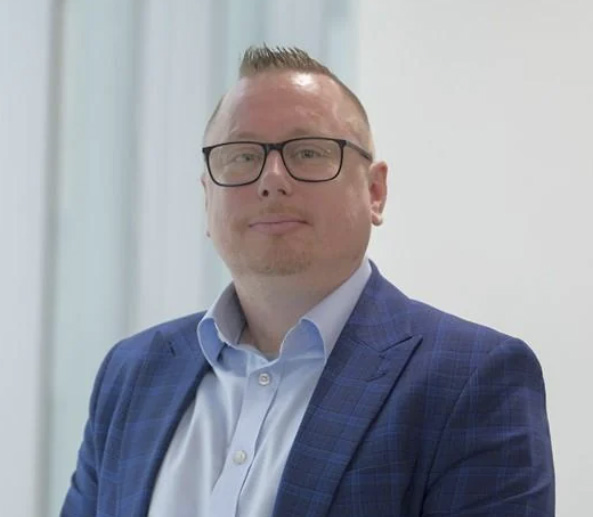
Ollie Whitehouse - NCSC Chief Technology Officer (CTO)
Ollie’s career in cyber security has spanned more than 27 years prior to becoming the National Cyber Security Centre (NCSC)'s Chief Technology Officer in late 2023. He has held senior science and technology advisory roles to the UK government for the last decade.
Prior to joining the NCSC Ollie had an extensive career within the private sector including his most recent roles as Chief Technical Officer at NCC Group, non-executive Director to PortSwigger and Interrupt Labs and advisor to 1011 Venture Capital. At the NCSC, Ollie is responsible for maintaining the NCSC’s status as the National Technical Authority for cyber security and is influential in diversifying the pipeline of expert talent and anticipating the technological capabilities of tomorrow.
Breakout 3: Radical futures: Innovation and how we can do policing differently
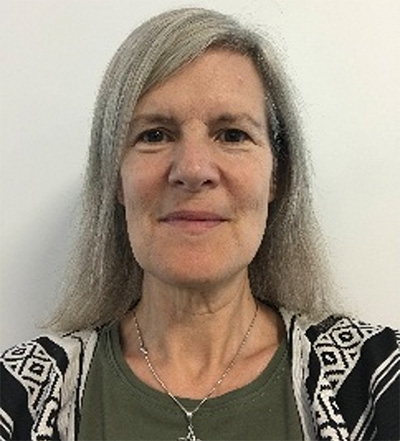
Rachel Tuffin OBE
Director of Performance, Productivity and What Works at the College of Policing
Rachel is the founder of the College’s work as the national What Works Centre for Crime Reduction. She has always focused on research as a driver for improvement and has spent nearly 30 years sharing innovation and good practice and helping to embed evidence-based approaches into policing. She previously led knowledge and research teams in the Home Office and National Policing Improvement Agency.
Her publications have focused on evidence-based practice, ranging from building the College as a what works organisation, how to deliver neighbourhood policing and tackle race hate, to research on police leadership, recruitment and flexible working.
Rachel has been seconded to several policing reviews and to a Home Office task force sent to evacuate Kosovan refugees. She started out as a researcher in the University of East London, and prior to that worked as a trainer, interpreter and course director in Northern France. Her OBE was awarded in 2013 for services to policing, championing evidence-based policing.
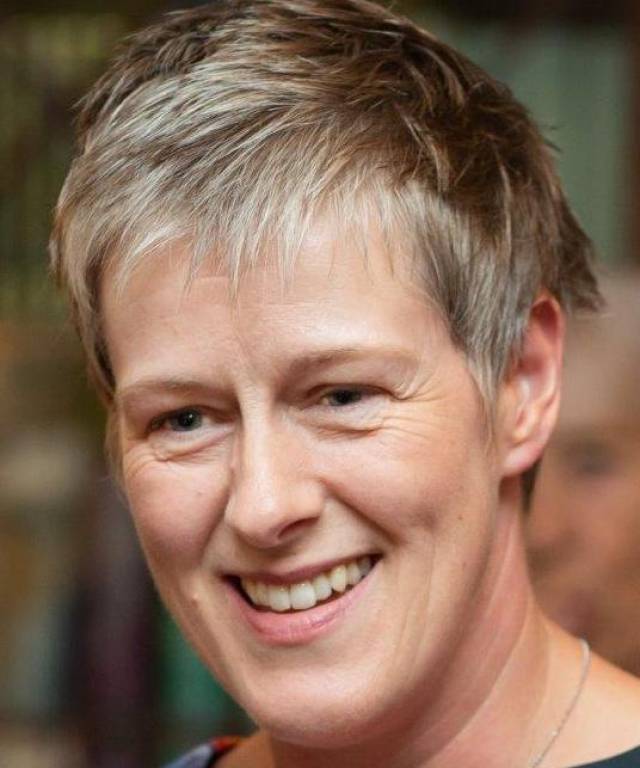
Professor Marion Oswald, MBE
Professor Marion Oswald, MBE is Professor of Law at Northumbria University, Newcastle and Senior Visiting Fellow, Centre for Emerging Technology and Security at the Alan Turing Institute
She researches the interaction between law and digital technology and has a particular interest in the use of AI and innovative technology in policing and national security. She is Principal Investigator of the UKRI-funded 4-year Responsible AI UK Keystone Project ‘PROBabLE Futures – Probabilistic AI Systems in Law Enforcement Futures.’
She is the founding chair of the West Midlands Police and Crime Commissioner and West Midlands Police Data Ethics Committee. Marion was awarded an MBE in The Queen’s Jubilee Birthday Honours list 2022 for services to digital innovation.
Breakout 3: Radical futures: Innovation and how we can do policing differently
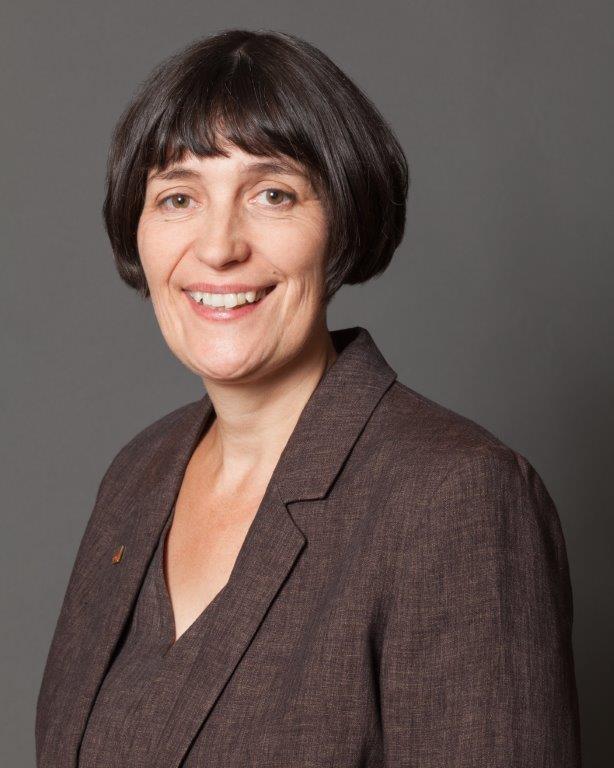
Tara McGeehan - President, CGI UK and Australia
Tara McGeehan was appointed President of CG l's UK operations in January 2018. In May 2019, to capitalise on market synergies, the Australia Business Unit was added to the UK operations, forming the UK and Australia Strategic Business Unit. As President, Tara leads a team of approximately 6,000 professionals and consultants who bring all of CG l's end-to-end capabilities and industry and technology expertise to clients across these regions.
A CGI member for more than 17 years, Tara previously served as SeniorVicePresident responsible for the North and Energy, Utilities & Telecommunications Business Unit where she developed business across commercial and government industries, including high-profile digital engagements such as the UK smart metering program. With 20 years' industry experience, Tara has a detailed understanding of these markets and their implications and opportunities for CG l's clients.
Prior to joining CGI in 2001, Tara was a Senior Manager at National Grid. She has strong relationships with Directors and Senior Managers of many of the UK energy companies and is frequently asked to perform focused 'health-checks' on areas of their business to help identify and resolve problems. As Senior Sponsor of the UK Diversity programme, Tara is passionate about diversity and encouraging young people and women to enter the technology industry. In 2014, Tara was recognized as a CGI Builder for her contributions to our business as a trusted thought leader who delivers on the most complex programs and for modelling CGI values internally and externally.
Tara holds a Bachelor of Science Degree in Engineering with a focus on understanding the financial and practical considerations of business in an industrial context. She has been a loyal and often disappointed follower of both the Yorkshire and England cricket teams over several years.
Breakout 3: Radical futures: Innovation and how we can do policing differently
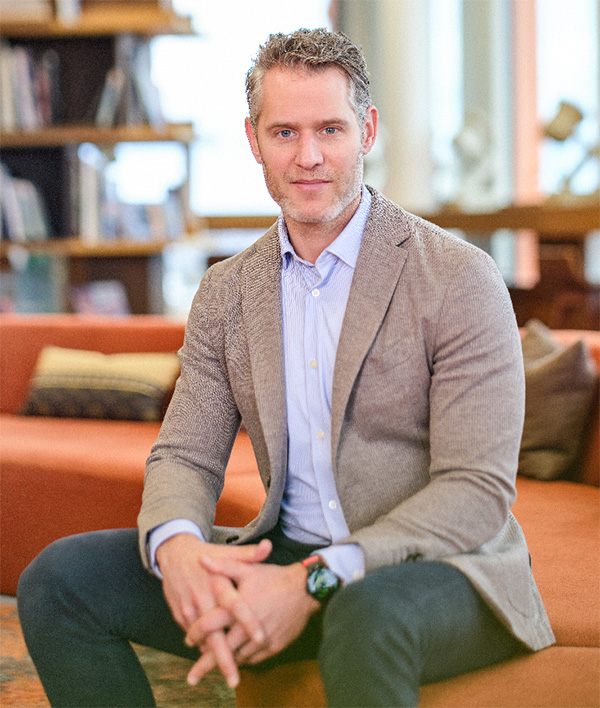
Daniël Rood, Director AI, UK/I & Africa - Google Cloud
Daniël Rood is an experienced business leader with a proven track record of success in the technology industry. He has held leadership positions at Google, SAP, and Dow Jones, where he has built strong relationships, developed successful business strategies, and achieved significant results for customers.
Daniel built Google’s first AI team in Europe and today leads the Google Cloud AI business in London where he is responsible to help enterprises adopt the latest AI technology at scale. As the executive responsible for the UK/I AI GTM for Google, Daniel defines and executes the go-to-market strategy, ensuring that Google Cloud AI solutions reach and benefit a wide range of businesses across the UK and Ireland.
Session: In conversation with... Google
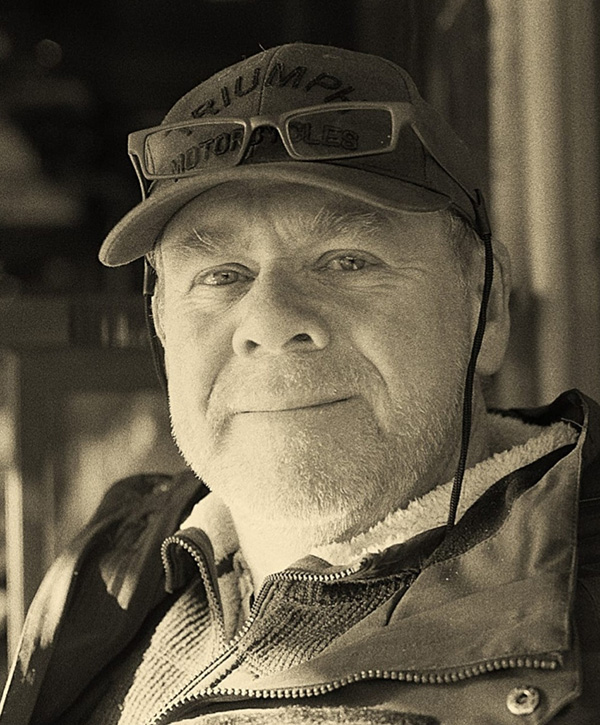
Theo Postma
Theo Postma (1967) serves as a strategy advisor on political and public affairs at the Commissioner’s Staff of The Netherlands Police.
Between 2011 and 2013, he was an advisor to the preparatory team for police reform and co-author of the formal reform plans. Prior to 2011, he was deputy and acting director for strategy at the General Intelligence and Security Service (Dutch acronym: AIVD). Before that, he held a number of academic and consultancy positions, specializing in defence and public administration reform. In this capacity, he worked on projects and assignments for the EU, NATO and many governments in Europe, Asia and the Americas.
Theo is co-author of a monograph on police reform in The Netherlands between 2010 and 2015 (Blauwdruk: kroniek van de Nationale Politie, Translation: Blueprint: the chronicles of the National Police. Dutch only).
Session 4: Delivering reform: the reform ambition & learning from elsewhere
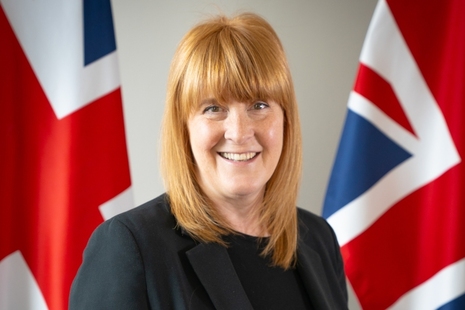
Sarah Jones MP
Sarah Jones was appointed as Minister of State at the Home Office on 6 September 2025. She was previously Minister of State at both the Department for Energy Security and Net Zero and the Department for Business and Trade from 8 July 2024 to 6 September 2025.
She was elected as the MP for Croydon West, formerly Croydon Central, in June 2017.
Session 4: Delivering reform: the reform ambition & learning from elsewhere
Dr Helen Bevan OBE
Dr Helen Bevan, OBE is one of the most influential voices on large-scale change in healthcare globally. She has spent more than three decades working inside the NHS, supporting leaders, teams and systems to navigate complex, large scale change. She is currently Professor of Practice at Warwick Business School, University of Warwick;
Strategic Advisor with NHS Horizons; and Senior Fellow with the Institute for Healthcare Improvement, USA. She advises health and care leaders across the globe on their change strategies and connects with thousands of frontline healthcare change agents through her social media activities related to the practice of change.
Session 4: Delivering reform: the reform ambition & learning from elsewhere

Andy Newsham
Andy Newsham is a PwC Partner and leads the Firm's work across the Home Office, Policing and National Security. Andy has spent the last fifteen years working with senior leaders across these areas to deliver their core mission of making communities safer and protecting the public. He specialises in strategy led enterprise transformation and has worked extensively across the Law Enforcement Network. Prior to this, Andy served for 20 years as an operational leader in the Army.
Session 4: Delivering reform: the reform ambition & learning from elsewhere
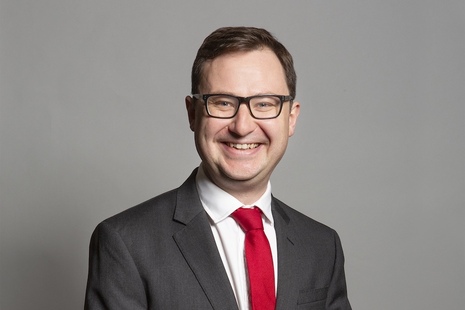
The Rt Hon Alex Norris MP
Alex Norris was appointed Lord Chancellor and Secretary of State for Justice on 20 July 2026.
He was previously Minister of State at the Home Office between 6 September 2025 and 20 July 2026. He was previously Parliamentary Under-Secretary of State at the Ministry of Housing, Communities and Local Government between 9 July 2024 and 6 September 2025.
He has been the MP for Nottingham North and Kimberley (and its predecessor Nottingham North) since June 2017.
Session 5: In conversation with The Justice Secretary

Professor Kate Bowers
Kate is a Professor at the UCL Department of Security and Crime Science (SCS) and the UCL Jill Dando Institute (JDI). She works across the discipline of crime science with research interests focusing on the use of quantitative methods and data analytics in crime analysis, crime prevention and policing. She has a general interest in developing and applying the opportunity theories of crime.
She has broad experience in crime science, and past appointments include acting as Head of Department of UCL SCS, Director of the Jill Dando Institute, Academic Director of the JDI Secure Data Lab and Editor-in-Chief of the Crime Science Journal. She works closely with crime prevention practitioners, and is currently a member of the UK National Police Chief’s Council Police Scientific Advisory Committee.

Graeme Biggar CBE
Graeme Biggar has led the National Crime Agency (NCA) since October 2021. The NCA is an intelligence-led law enforcement agency whose mission is to protect the public from serious and organised crime. It does that by leading the operational system response to ensure that police and law enforcement agencies are working together on the most significant threats, and by itself investigating and degrading the most harmful organised crime groups. The NCA also leads for UK policing on operational cooperation internationally.
Graeme initially joined the NCA in March 2019 as the Director General of the National Economic Crime Centre (NECC), which is a collaborative, multi-agency centre established to deliver a step change in the response to fraud and money laundering.
Prior to the NCA, Graeme was the Director of National Security in the Home Office, Chief of Staff to the Defence Secretary in the Ministry of Defence and held a range of other senior Civil Service roles.
Graeme has a degree in History from Oxford University and a masters in International Security Studies from the Royal College of Defence Studies and Kings College London. He was awarded a CBE in 2019 in recognition of his services to national security.

DAC Helen Millichap KPM
Helen joined the Metropolitan Police Service in 1997, starting in Newham, where she specialised in supporting victims of sexual and domestic abuse. Through the years that followed, she worked in a range of both detective and uniformed leadership roles across many parts of London, including as the Borough Commander in the Royal Borough of Greenwich, and later, Haringey, and then as the first BCU Commander for the boroughs of Enfield and Haringey. She held the role of Commander for Learning and Development before becoming the Commander Protection, with responsibility for Royalty and Specialist Protection (RaSP) and Parliamentary and Diplomatic Protection (PaDP).
In 2023, Helen became the Deputy Assistant Commissioner for Local Policing and the Met’s lead for tackling Violence against Women and Girls (VAWG). She then assumed responsibility for the portfolio of Trust and Legitimacy, including the delivery of culture reform. She continues to believe that success in each of these areas is critical to policing’s role in protecting the public.
Helen was honoured to be awarded a Kings Policing Medal for Distinguished Service in overseeing protective security operations during the Platinum Jubilee celebrations, the funerals of the Prince Philip and Queen Elizabeth II, and the management of the Met’s response to tackling VAWG.
In May 2025, she was appointed as the Director of the National Centre for VAWG and Public Protection (NCVPP) and assumed responsibility for policing’s national VAWG portfolio the following month. Helen is proud to lead this critical work – a collaboration between the College of Policing and the National Police Chiefs’ Council, which is focused on supporting forces to achieve the highest possible standards for victims, bringing more offenders to justice and continuing to tackle the ever-growing threat in this area by identifying and sharing innovative and effective practice.

Eleanor Lyons
Eleanor Lyons is the UK’s Independent Anti-Slavery Commissioner. The role of the Independent Anti-Slavery Commissioner (IASC), its functions and powers were established in the landmark Modern Slavery Act 2015 (MSA). This charges the Commissioner with encouraging good practice sharing amongst all those with a role to play in tackling every aspect of modern slavery and human trafficking in the UK.
The role is independent of government, allowing the Commissioner to scrutinise and report on the effectiveness of policies and actions taken to prevent exploitation, support and protect victims, and bring perpetrators to justice. The Commissioner also supports the carrying out of research to improve our understanding of modern slavery and how it can best be tackled. The Commissioner works across the UK with public authorities, the sector, businesses, and law enforcement to pursue these goals.
Eleanor Lyons began her three-year term as Independent Anti-Slavery Commissioner in December 2023 with a mission to ensure tackling modern slavery remains at the top of the political agenda and a national priority. At the heart of this, Eleanor is passionate about listening to and incorporating the voices of those with lived experience of modern slavery into her work and policymakers’ thinking; and improving knowledge and understanding of modern slavery and what measures are most effective at tackling it.
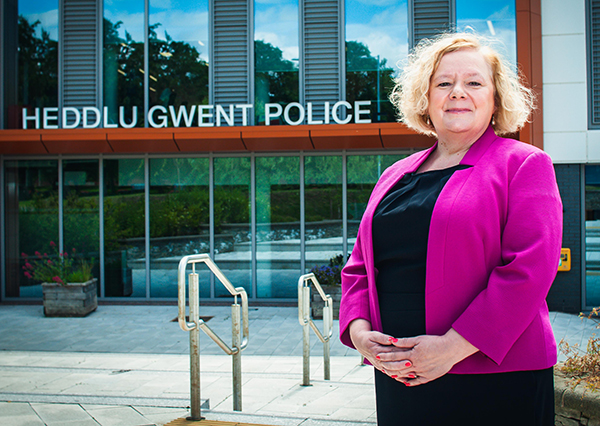
PCC Jane Mudd
Jane Mudd was elected as Gwent Police and Crime Commissioner in May 2024, becoming one of the first women to hold the office in Wales. In this capacity, she undertakes significant leadership responsibilities across policing, criminal justice, community safety and strategic partnership arrangements at local, regional and national levels.
Jane is the current chair of the Policing in Wales board, which includes representing Welsh Commissioners nationally in relation to policing reforms. She is the Policing in Wales PCC lead for partnerships and community safety and the joint lead for substance misuse. Jane is the Co-chair of the Wales Safer Communities Board and is also a national APCC deputy lead for substance misuse. Jane is a non-executive director of the College of Policing board and has recently taken up the joint APPC Workforce portfolio lead.
Before her election as Police and Crime Commissioner, Jane served as Leader of Newport City Council from 2019 to 2024, having first been elected as a local councillor in 2012. During her time in local government, she served as Deputy Presiding Member of the Welsh Local Government Association, acted as spokesperson for social justice, and represented Wales as lead for the national Civility in Public Life and Diversity in Democracy campaigns.
Earlier in her career, Jane worked in community development, housing and regeneration before moving into higher education. She spent more than 20 years in teaching, research and academic leadership at Cardiff University and Cardiff Metropolitan University, including senior leadership roles in the Department of Applied Community Sciences and Public Protection and the Department of Social Policy.
Breakout 1: Force mergers: The future shape of policing
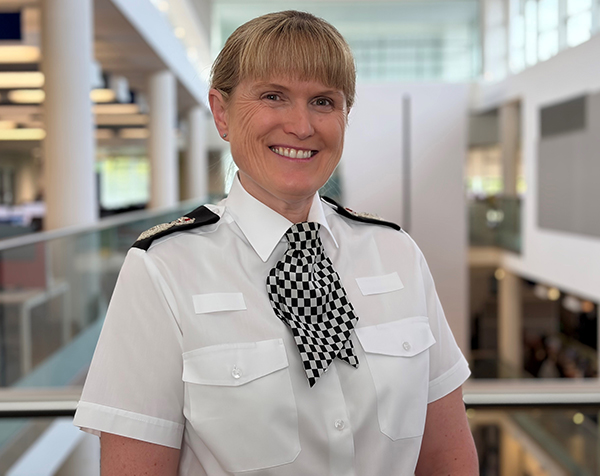
CC Rachel Bacon
Rachel became Chief Constable of Durham Constabulary in 2023, she has led improvements that strengthened operational delivery and community outcomes across the force. Call handling performance has improved, with emergency and non-emergency calls answered more quickly and consistently. Response times have improved across key incident categories, contributing to reductions in crime and repeat demand. Neighbourhood policing has been expanded and modernised, creating a more visible and locally-focused model that supported cohesive communities and helped reduce crime and anti-social behaviour across the force area.
Rachel has more than 30 years of policing experience, having joined Sussex Police in 1995. Her career spans frontline operational policing, neighbourhood policing, safeguarding, major crime investigation, and regional organised crime. Rachel has served as a chief officer since 2017, holding senior leadership positions in two major UK forces. As Assistant Chief Constable in Northumbria, she held a broad portfolio that included safeguarding alongside other operational and organisational responsibilities. This work involved strengthening multi-agency arrangements for protecting vulnerable children and adults and improving coordination with local authorities, health partners, and specialist services.
She later served as Deputy Chief Constable in South Wales, with responsibility for force-wide performance, operational delivery, and strategic partnerships. Her leadership supported the development of neighbourhood policing models designed to build more cohesive communities, enhance joint problem-solving, and reduce crime and anti-social behaviour through closer collaboration with local partners.
She is also the Chair of the Local Policing Coordination Committee acting as the national Gold Commander during the Southport disorder. She the Senior Responsible Officer successfully implementing the Neighbourhood Policing Guarantee across England and Wales.
Breakout 1: Force mergers: The future shape of policing
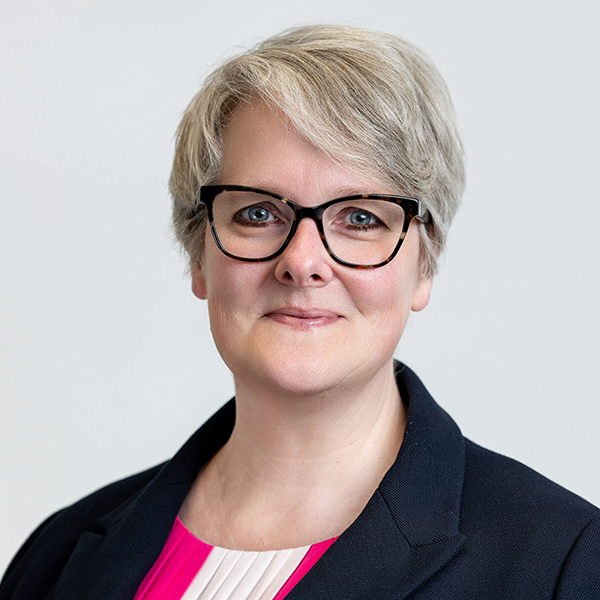
Katie Fisher
A nurse by background, Katie is a graduate of the NHS General Management Training Scheme. She brings more than two decades of senior leadership experience across the NHS, charitable organisations and the private sector. She is an experienced Chief Executive Officer having led a variety of hospitals, mental health, neurodiversity and community organisations.
Katie is leading the next phase of integration and improvement at NHS West and North London. The new organisation will be England’s largest ICB, strategically commissioning services for 4.5 million residents across 13 boroughs.
Breakout 1: Force mergers: The future shape of policing